Food Menu Ideas for Better Restaurant Performance
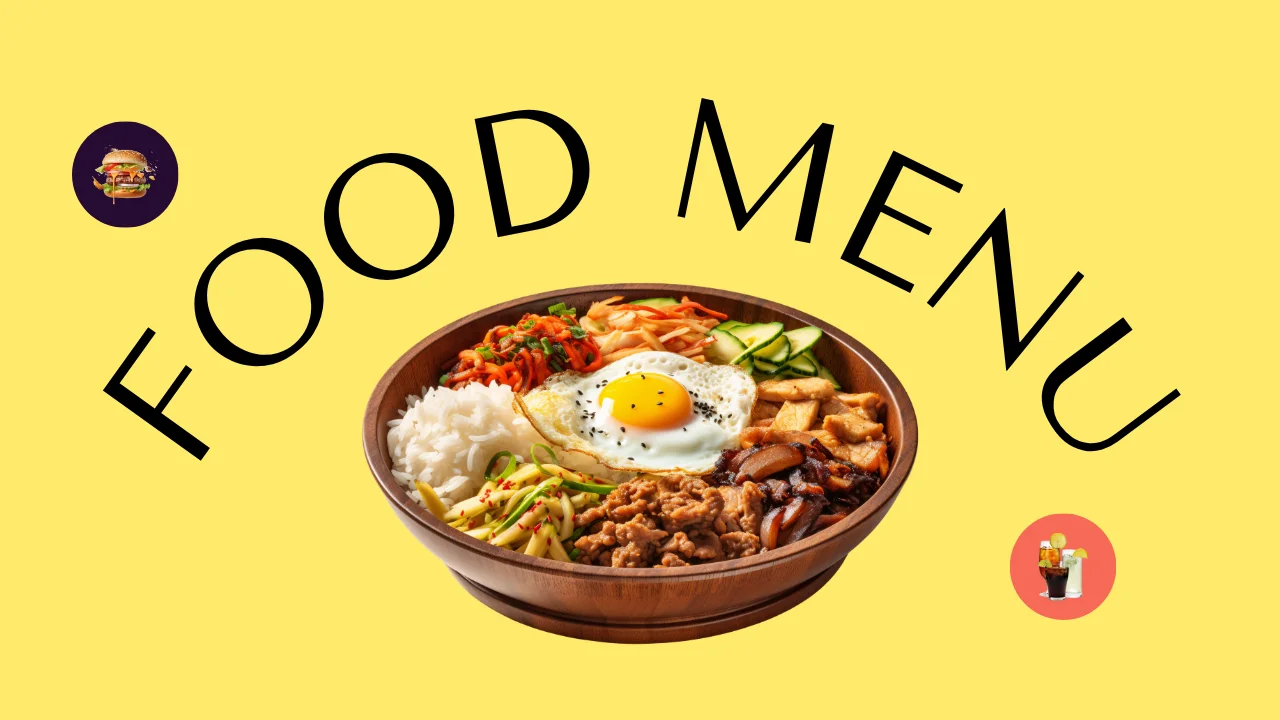
When people visit a restaurant, café, hotel, or food truck, the first thing they often look at is the food menu. It helps customers understand what meals, drinks, and special dishes are available before placing an order. Whether someone is checking a traditional restaurant menu or searching online for the xero degrees menu, menus play an important role in the dining experience.
A menu is much more than a list of dishes. It helps customers make decisions, supports restaurant branding, and increases sales. Restaurants carefully design their menus to create a positive impression and encourage customers to try different items.
In this article, you will learn everything about menus, including their purpose, types, benefits, design elements, and why they are essential for every food business.
What Is a Food Menu?
A food menu is a structured list of food and beverage items offered by a restaurant or food service business. It usually includes item names, descriptions, prices, and sometimes images.
Menus help customers understand what they can order and how much each item costs. Restaurants use menus as a communication tool to present their offerings clearly and professionally.
The menu often reflects the identity of the restaurant. A luxury restaurant may have an elegant menu design, while a fast-food restaurant may focus on simplicity and speed.
Why Menus Are Important in the Food Industry
Menus are one of the most powerful tools in the restaurant industry. They influence customer choices and directly affect business success.
A well-designed menu helps customers find items quickly. It also highlights popular dishes and encourages additional purchases. Restaurants often place high-profit items in visible positions to increase revenue.
A menu acts as both an information source and a marketing tool. It helps customers feel confident about their choices while promoting the restaurant’s best offerings.
Main Benefits of Menus
| Benefit | Description |
|---|---|
| Customer Guidance | Helps customers choose meals easily |
| Price Transparency | Shows costs before ordering |
| Brand Representation | Reflects the restaurant’s style and identity |
| Sales Growth | Encourages customers to order more items |
| Better Experience | Makes ordering simple and convenient |
| Product Promotion | Highlights signature dishes and specials |
Common Sections Found in a Restaurant Menu
Most restaurant menus follow a similar structure. This organization makes it easier for customers to find what they want.
Appetizers
Appetizers are small dishes served before the main meal. They help stimulate appetite and prepare customers for the main course.
Examples include soups, garlic bread, spring rolls, and chicken wings.
Main Courses
Main courses are the primary dishes of a meal. Restaurants usually dedicate the largest section of their menu to these items.
Examples include burgers, pizzas, pasta, steaks, biryani, and seafood dishes.
Side Dishes
Side dishes complement the main meal and add variety to the dining experience.
Examples include fries, salads, rice, vegetables, and mashed potatoes.
Desserts
Desserts are sweet dishes served after the main meal.
Popular dessert options include cakes, brownies, ice cream, pudding, and cheesecake.
Beverages
The beverage section contains hot and cold drinks.
Common options include tea, coffee, milkshakes, juices, smoothies, and soft drinks.
Different Types of Menus
Restaurants use different menu styles depending on their business model and customer preferences.
À La Carte Menu
An à la carte menu allows customers to order individual items separately. Each item has its own price.
This format gives customers flexibility because they can build a meal according to their preferences.
| Item | Price |
|---|---|
| Burger | $8 |
| Fries | $3 |
| Soft Drink | $2 |
Table d’Hôte Menu
This menu offers a complete meal at a fixed price. Customers receive multiple courses for one set amount.
Many hotels and fine dining restaurants use this format.
Buffet Menu
A buffet allows customers to serve themselves from a variety of dishes after paying a fixed fee.
Buffets are common at weddings, hotels, and large events.
Static Menu
A static menu remains mostly unchanged throughout the year.
Fast-food chains and cafés often use static menus because they focus on consistency.
Cyclic Menu
A cyclic menu changes according to a schedule. Restaurants may rotate dishes weekly or monthly.
This approach keeps offerings fresh and interesting for repeat customers.
Digital Menu
Digital menus have become increasingly popular. Customers can access them through tablets, websites, or QR codes.
Digital menus allow restaurants to update prices and items instantly without reprinting materials.
How Restaurants Design Effective Menus
Menu design is a critical part of restaurant marketing. A visually appealing menu attracts attention and improves the customer experience.
Restaurants use strategic layouts to guide customer eyes toward specific dishes. Popular and profitable items often receive special placement.
Elements of a Good Menu Design
| Element | Purpose |
|---|---|
| Clear Layout | Helps customers find items easily |
| Readable Fonts | Improves readability |
| Quality Images | Makes dishes more attractive |
| Accurate Pricing | Builds trust with customers |
| Descriptive Text | Helps customers understand dishes |
| Consistent Branding | Strengthens restaurant identity |
A well-designed menu can increase customer spending and improve satisfaction.
The Role of Menu Descriptions
Food descriptions play a significant role in customer decision-making.
Simple descriptions tell customers what a dish contains. Detailed descriptions create excitement and help customers imagine the taste and experience.
For example, instead of writing “Chocolate Cake,” a restaurant might write:
“Rich chocolate cake layered with smooth chocolate cream and topped with chocolate shavings.”
Detailed descriptions often lead to higher sales because they create stronger interest.
Digital Menus and Modern Technology
Technology has changed how restaurants present their offerings.
Digital menus provide several advantages over traditional printed menus. Restaurants can update prices instantly, add seasonal items, and display high-quality photos.
Many customers now prefer digital menus because they are convenient and easy to access.
Advantages of Digital Menus
| Feature | Benefit |
|---|---|
| Instant Updates | Changes can be made quickly |
| Cost Savings | Reduces printing expenses |
| Better Hygiene | Contactless viewing |
| Mobile Access | Customers can view menus anywhere |
| Interactive Content | Supports photos and videos |
Digital menus became especially popular after restaurants adopted contactless solutions to improve customer safety.
How Menus Influence Customer Behavior
Menus have a strong psychological impact on purchasing decisions.
Restaurants often place profitable dishes in areas where customers naturally focus their attention. They may use attractive descriptions, images, or special labels to highlight these items.
Customers frequently choose dishes based on menu presentation rather than price alone.
Research shows that menu design can significantly influence purchasing behavior. Restaurants that understand customer psychology often achieve better sales results.
Common Mistakes Restaurants Make With Menus
Many restaurants lose opportunities because of poor menu design.
One common mistake is including too many items. Large menus can overwhelm customers and make decision-making difficult.
Another issue is unclear descriptions. Customers need enough information to understand what they are ordering.
Some restaurants also use small fonts, confusing layouts, or outdated pricing. These issues create frustration and reduce customer satisfaction.
Common Menu Problems
| Problem | Impact |
|---|---|
| Too Many Choices | Causes decision fatigue |
| Poor Layout | Makes navigation difficult |
| Small Text | Reduces readability |
| Outdated Prices | Creates customer dissatisfaction |
| Weak Descriptions | Lowers interest in dishes |
How Menus Help Restaurant Branding
A menu reflects the personality and values of a restaurant.
The colors, typography, descriptions, and layout all contribute to the brand image. Customers often judge a restaurant based on its menu before tasting the food.
For example, a luxury restaurant may use elegant fonts and sophisticated descriptions. A family restaurant may use colorful designs and simple language.
A consistent menu design strengthens brand recognition and customer trust.
Trends in Menu Development
The restaurant industry continues to evolve, and menus are changing with it.
Artificial intelligence, digital ordering systems, and personalized recommendations are becoming more common. Restaurants are also adding nutritional information and allergen details to help customers make informed choices.
Sustainability is another growing trend. Many restaurants now highlight locally sourced ingredients and environmentally friendly practices within their menus.
As technology advances, menus will likely become even more interactive and personalized.
Conclusion
A food menu is one of the most important tools in the restaurant industry. It provides essential information about available dishes, pricing, and dining options while helping businesses promote their products effectively.
Menus influence customer decisions, improve the ordering process, and support restaurant branding. Whether printed or digital, a well-designed menu creates a positive experience for customers and contributes to business success.
As technology continues to shape the food industry, menus will become more interactive, informative, and customer-focused. Restaurants that invest in effective menu design can improve customer satisfaction, increase sales, and build stronger brand recognition in a competitive market.