Cafecito Menu Location, Working Hour and Reviews
When you step into a café with it, you are about to embark on a journey through Latin American coffee culture. Coffee is more than just a beverage in many countries; it’s a way of life, an expression of culture, and a social activity that brings people together. In this article, we will explore what a cafecito menu typically includes and how it reflects the rich coffee traditions of Latin America. Also, just as the chaiwala menu offers a distinct take on tea, it provides coffee lovers with a chance to experience strong, bold, and flavorful beverages.
It varies by region, but its core focus remains the same: to offer an authentic experience through coffee drinks that are not only rich in flavor but also deeply rooted in the cultural practices of their respective countries. Whether you are visiting a café in Cuba, Puerto Rico, Colombia, or Brazil, each cafecito menu has something unique to offer.
What is a Cafecito Menu?
It typically features a variety of coffee drinks, often prepared using traditional methods that have been passed down through generations. These beverages are more than just drinks—they are cultural expressions, each telling the story of the place where they were created. The term “cafecito” itself means “little coffee” in Spanish, but the coffee offered is far from ordinary. It is rich, bold, and often served in small quantities to emphasize its strong flavor.
Cafecitos are often served in small cups, as the drinks are strong and packed with energy. The main focus of it is espresso-based drinks, which serve as the foundation for many of the beverages. Espresso’s intensity allows for the addition of other ingredients such as sugar, milk, or spices, resulting in drinks that are both rich in flavor and history.
Who Owns
It is usually owned by family-run businesses or independent café owners passionate about Latin American coffee culture. Many owners have deep roots in the traditions of their home countries, ensuring each coffee drink is crafted with care and authenticity. Their focus is on providing an exceptional experience with high-quality, traditional coffee beverages.
What Clients Say About
Clients often praise the Cafecito Menu for its rich, bold flavors and authentic taste, with drinks like Café Cubano and Café con Leche receiving particular acclaim. Customers also appreciate the welcoming atmosphere and friendly service that complement the quality of the coffee. Many reviews highlight the variety of drinks, catering to different tastes and preferences.
Where the Cafecito Menu Is Located
It can be found in bustling urban areas, particularly in cities with large Latin American communities. These cafes are typically located in popular districts, close to shopping areas or cultural hubs, offering easy access to locals and tourists. You can often find them in family-owned cafés or trendy spots focusing on a cultural coffee experience.
Popular Coffee Drinks
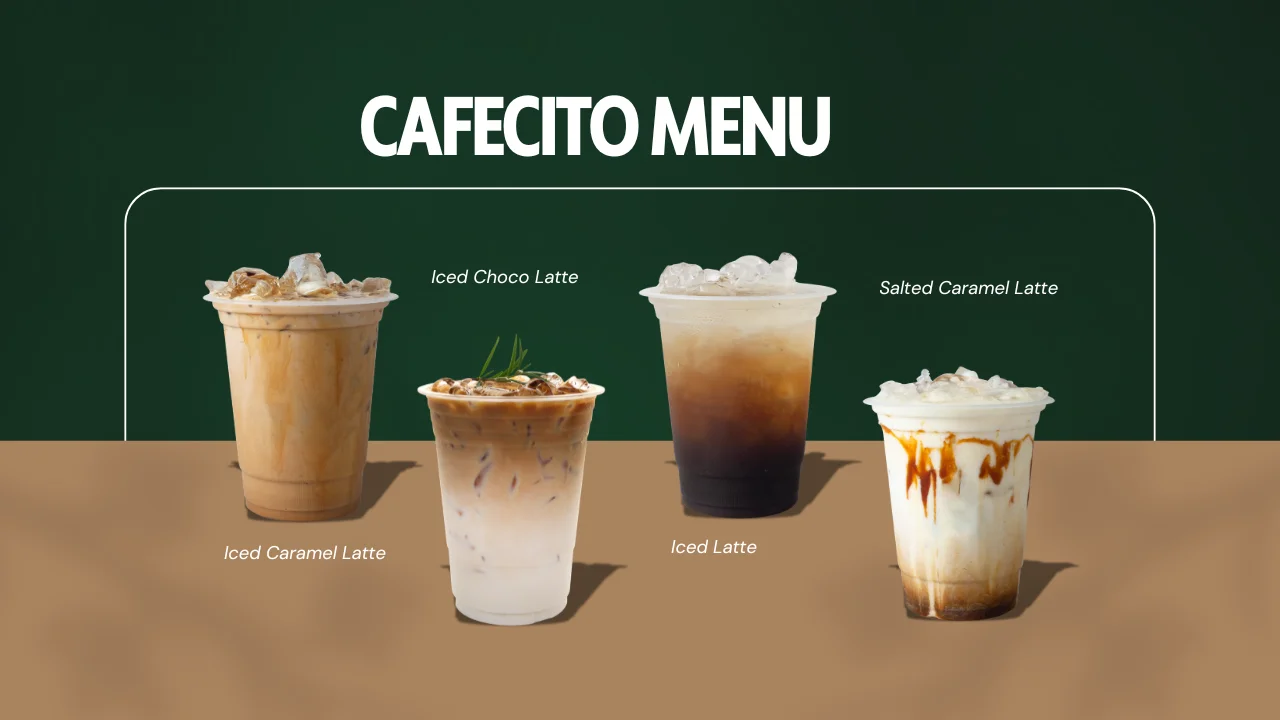
It is not just about offering one type of coffee. It includes a wide range of drinks, each with its own preparation method and flavor profile. Let’s dive into some of the most popular drinks you may find on it.
| Coffee Drink | Description | Region | Flavor Profile |
|---|---|---|---|
| Café Cubano | A strong espresso sweetened during brewing, giving it a bold, sweet flavor. | Cuba | Strong, sweet, bold |
| Café con Leche | Equal parts espresso and steamed milk, creating a smooth and creamy beverage. | Cuba, Puerto Rico | Creamy, balanced, rich |
| Cortadito | Espresso with a small amount of steamed milk, offering a less intense version of espresso. | Cuba | Smooth, strong with a hint of sweetness |
| Colada | A larger, shareable version of Café Cubano, meant to be enjoyed with others. | Cuba | Strong, sweet, communal |
| Tinto | A simple black coffee brewed to medium strength, often enjoyed without milk. | Colombia | Light, medium-bodied, smooth |
| Cafézinho | A small, sweetened espresso shot, often offered as a welcoming gesture. | Brazil | Sweet, strong, aromatic |
| Café Colado | A strong espresso sweetened with sugar, typically served in small cups. | Puerto Rico | Rich, sweet, strong |
Café Cubano (Cuban Espresso)
Café Cubano is one of the most iconic drinks on it. Known for its strong, bold flavor, Café Cubano is made by brewing espresso with sugar, which caramelizes as the coffee is brewed. This results in a drink that is both strong and sweet. It’s typically served in small amounts, making it a perfect pick-me-up for those who need an extra dose of energy. The drink is often shared with friends or family, reflecting the communal aspect of Cuban coffee culture.
Café con Leche (Coffee with Milk)
Café con Leche is a beloved drink in many Latin American countries, especially in Cuba and Puerto Rico. It consists of equal parts espresso and steamed milk, creating a smooth and creamy beverage. The balance between the strong espresso and the creamy milk makes it an ideal drink for breakfast or an afternoon break. The cafecito menu often includes variations of this drink, allowing customers to customize the amount of milk based on their preferences.
Cortadito (Cuban Coffee)
Cortadito is another Cuban classic found on it. It’s similar to a macchiato but with more milk. A shot of espresso is topped with a small amount of steamed milk, creating a well-balanced coffee drink that isn’t as strong as a regular espresso but still maintains the rich flavor. The small serving size makes it perfect for those who enjoy a quick coffee break.
Colada (Cuban Coffee to Share)
Colada is essentially a larger, shareable version of Café Cubano. It’s made by brewing a pot of strong Cuban coffee and then sweetening it with sugar. Colada is often served in a large cup with smaller cups on the side, making it ideal for sharing with friends or family. This drink embodies the social aspect of coffee culture, as it’s meant to be enjoyed in the company of others.
Tinto (Colombian Coffee)
Tinto is the go-to coffee for many Colombians. It’s a simple black coffee that’s brewed to a medium strength. Unlike the espresso-based drinks found in Cuba and Puerto Rico, Tinto is typically brewed using a drip method or percolator. It’s less intense than espresso but still offers a rich, satisfying taste. The cafecito menu may feature Tinto as a more straightforward coffee option for those who prefer a lighter brew.
Cafézinho (Brazilian Coffee)
Cafézinho is a small, sweetened espresso shot that is popular in Brazil. Similar to Café Cubano, it is brewed with sugar, which gives it a sweet and smooth taste. Brazilians often drink Cafézinho as a gesture of hospitality, offering it to guests as a welcoming treat. The small size of the drink makes it perfect for those who want a quick, sweet coffee fix.
Café Colado (Puerto Rican Coffee)
Café Colado is a traditional Puerto Rican coffee that is brewed strong and sweetened with sugar. It’s typically served in small cups and is often enjoyed with a side of pastries or bread. The rich flavor of Puerto Rican coffee is complemented by the sweetness of the sugar, making it a delightful option for those with a sweet tooth.
The Popularity of the Cafecito Menu Worldwide

While it is deeply rooted in Latin American coffee culture, its appeal has spread worldwide. People all over the globe are discovering the rich, bold flavors of Latin American coffee drinks and embracing them as part of their daily routines.
In cities like Miami, New York, and Los Angeles, Latin American coffee shops have become popular hotspots where people gather to enjoy drinks like Café Cubano and Café con Leche. As coffee culture continues to evolve, it has become a symbol of diversity, offering coffee lovers the chance to try something new and exciting.
Why the Cafecito Menu is Special
What makes it so special is the combination of rich history, strong flavors, and cultural significance. Coffee is not just a drink in Latin American countries—it’s a way of life. From the small, sweet shots of espresso in Cuba to the smooth, creamy café con leche in Puerto Rico, it offers a taste of tradition and community.
The diversity of drinks available on it allows coffee drinkers to explore different regions and their unique approaches to brewing and serving coffee. Whether you’re sipping on a strong, sweet Café Cubano or enjoying a milder Tinto, there is a drink for every taste on it.
Conclusion
The cafecito menu is more than just a list of coffee drinks—it’s a journey into the heart of Latin American culture. Whether you’re in Cuba, Puerto Rico, Colombia, or Brazil, it offers a chance to experience the rich flavors and traditions of each region. Each drink tells a story, offering a unique taste of the culture it comes from.
So, the next time you visit a café with it, take a moment to savor the flavors, share a cup with a friend, and appreciate the cultural significance behind every sip. From the strong, sweet notes of Café Cubano to the creamy richness of Café con Leche, it has something to offer for every coffee lover.